

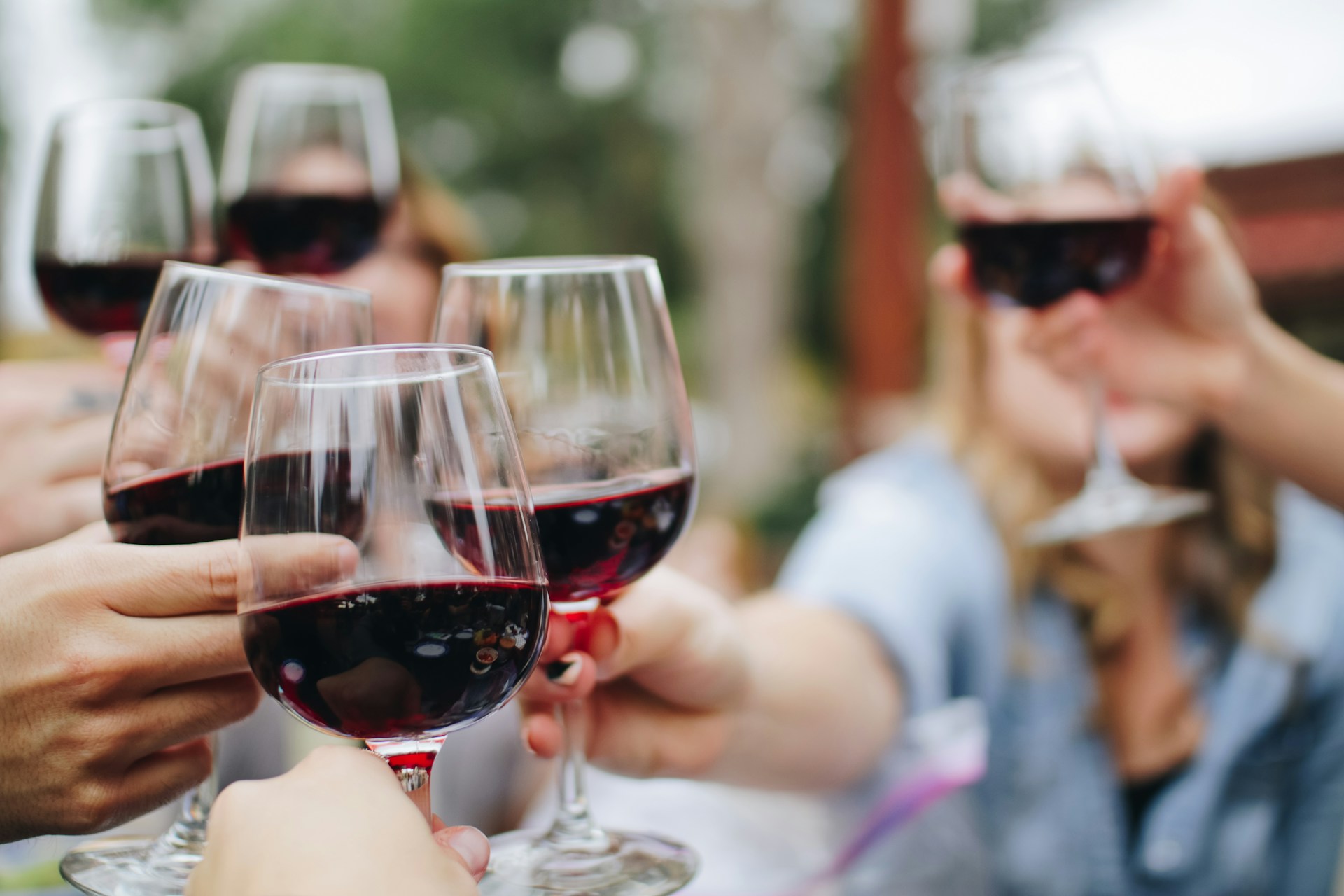

Wine and food have danced together for centuries, creating memorable dining experiences that elevate both the meal and the moment.
Yet many people feel intimidated when selecting wines to complement their favorite dishes, often defaulting to the same safe choices or avoiding wine altogether.
Understanding the fundamentals of wine pairing doesn’t require years of sommelier training or an extensive cellar.
With a few key principles and practical knowledge, anyone can enhance their meals by matching wines that bring out the best in both the food and the beverage.
This knowledge transforms ordinary dinners into extraordinary experiences, whether you’re hosting guests or simply treating yourself to a special evening at home.
The art of pairing food and wine relies on understanding how different flavors, textures, and aromas interact.
When done well, the right wine can highlight subtle flavors in your dish while the food can soften harsh tannins or balance acidity in the wine.
This synergy creates a harmony that makes both components more enjoyable than they would be on their own.
Understanding Wine Characteristics
Body and Weight
Wine body refers to the overall impression of weight and fullness in your mouth. Light-bodied wines feel delicate and refreshing, while full-bodied wines create a rich, substantial sensation. Medium-bodied wines fall somewhere between these extremes.
Light-bodied wines include:
- Pinot Grigio
- Sauvignon Blanc
- Beaujolais
- Pinot Noir
Full-bodied wines include:
- Chardonnay (oaked)
- Cabernet Sauvignon
- Syrah/Shiraz
- Malbec
Acidity Levels
Acidity provides freshness and brightness to wine. High-acid wines taste crisp and tart, making your mouth water.
Low-acid wines feel smoother and rounder. Acidity plays a crucial role in food pairing because it can cut through rich, fatty foods and cleanse the palate.
Tannin Structure
Tannins come primarily from grape skins, seeds, and stems, creating that dry, puckering sensation in your mouth.
Red wines typically contain more tannins than white wines. Tannins interact with proteins and fats in food, which can either soften the wine or create unpleasant bitterness if poorly matched.
Classic Pairing Principles
Complementary Pairing
This approach matches similar characteristics in wine and food. Rich, creamy dishes pair beautifully with rich, buttery wines. Delicate preparations work well with subtle, elegant wines.
Examples of complementary wine pairing:
- Grilled salmon with Pinot Noir
- Creamy pasta with oaked Chardonnay
- Herb-crusted lamb with earthy Côtes du Rhône
- Fresh goat cheese with Sauvignon Blanc
Contrasting Pairing
Contrasting pairs use opposing characteristics to create balance. Sweet wines can balance spicy heat, while high-acid wines cut through rich, fatty dishes.
Successful contrasting combinations:
- Spicy Thai curry with off-dry Riesling
- Fatty pork belly with crisp Albariño
- Salty blue cheese with sweet Port
- Fried chicken with sparkling wine
Regional Pairing
Foods and wines that are developed in the same region often pair naturally together. Centuries of culinary evolution created these harmonious combinations.
Traditional regional matches:
- Italian Chianti with tomato-based dishes
- French Chablis with oysters
- Spanish Tempranillo with chorizo
- German Riesling with pork and sauerkraut
Red Wine Pairing Strategies
Light Red Wines
Light reds like Pinot Noir, Gamay, and Sangiovese work wonderfully with dishes that might overwhelm delicate white wines but don’t require the power of full-bodied reds.
Ideal pairings for light reds:
- Roasted chicken or turkey
- Grilled salmon or tuna
- Mushroom-based dishes
- Charcuterie and soft cheeses
- Pasta with light tomato sauces
Medium Red Wines
Medium-bodied reds such as Merlot, Côtes du Rhône, and Chianti offer versatility for a wide range of dishes. They provide more structure than light reds while remaining approachable.
Perfect matches for medium reds:
- Beef stew or pot roast
- Grilled pork tenderloin
- Pizza with meat toppings
- Aged cheddar or Gouda cheese
- Herb-seasoned vegetables
Full-Bodied Red Wines
Powerful reds like Cabernet Sauvignon, Syrah, and Malbec demand equally robust food preparations. These wines can stand up to intense flavors and rich textures.
Bold pairings for full-bodied reds:
- Grilled ribeye or New York strip steak
- Braised short ribs
- Strong, aged cheeses
- Dark chocolate desserts
- Dishes with rich, wine-based sauces
White Wine Pairing Essentials
Crisp, Light Whites
Wines like Pinot Grigio, Albariño, and unoaked Sauvignon Blanc offer bright acidity and clean flavors that complement lighter fare without overwhelming delicate ingredients.
Best pairings for crisp whites:
- Fresh seafood and shellfish
- Light salads with vinaigrette
- Goat cheese and fresh herbs
- Grilled vegetables
- Sushi and sashimi
Rich, Full-Bodied Whites
Oaked Chardonnay, white Burgundy, and Viognier provide weight and complexity that can handle heartier preparations and cream-based sauces.
Excellent matches for rich whites:
- Lobster with butter sauce
- Roasted chicken with herbs
- Creamy risotto or pasta
- Soft-ripened cheeses like Brie
- Dishes with mushroom or truffle elements
Aromatic Whites
Riesling, Gewürztraminer, and Moscato offer distinctive aromatic profiles and varying sweetness levels that pair beautifully with specific flavor profiles.
Aromatic white wine combinations:
- Spicy Asian cuisine
- Fruit-based desserts
- Foie gras or pâté
- Smoked fish
- Dishes with exotic spices
Sparkling Wine and Rosé Options
Sparkling Wine Versatility
Bubbles provide acidity and effervescence that cleanse the palate and cut through rich foods. The carbonation and acidity make sparkling wines incredibly food-friendly.
Sparkling wine pairing opportunities:
- Fried foods of all kinds
- Raw oysters and caviar
- Fresh fruit and light desserts
- Brunch dishes with eggs
- Potato chips and popcorn
Rosé Wine Balance
Rosé wines offer the best of both worlds, providing the freshness of white wine with hints of red wine character. They work particularly well with foods that fall between white and red wine pairing territory.
Rosé wine pairing suggestions:
- Grilled vegetables and Mediterranean dishes
- Salmon and other meaty fish
- Light pasta salads
- Soft cheeses and charcuterie
- Summer barbecue fare
Advanced Pairing Techniques
Sauce Considerations
The sauce often determines the wine choice more than the protein itself. Rich, cream-based sauces call for different wines than bright, acidic preparations or bold, spicy seasonings.
Sauce-based pairing strategies:
- Cream sauces: Rich white wines or light reds
- Tomato-based sauces: Medium-bodied reds with good acidity
- Wine reduction sauces: Wines similar to those used in cooking
- Herb-heavy preparations: Wines with herbal characteristics
- Spicy sauces: Off-dry wines with good acidity
Cooking Method Impact
Different cooking techniques affect how food interacts with wine. Grilled foods develop char and smoke flavors, while braised dishes become tender and sauce-infused.
Cooking method wine pairing considerations:
- Grilled: Bold wines that match smoky flavors
- Braised: Rich wines that complement slow-cooked intensity
- Raw: Crisp, clean wines that don’t compete
- Fried: Sparkling or high-acid wines to cut richness
- Roasted: Medium to full-bodied wines match caramelization
Seasonal Pairing Adjustments
Seasonal ingredients and weather influence wine preferences. Light, refreshing wines suit summer heat, while rich, warming wines complement cold-weather comfort foods.
Seasonal wine guide principles:
- Spring: Fresh, vibrant wines with new vegetables
- Summer: Crisp, cooling wines for outdoor dining
- Fall: Medium-bodied wines with harvest ingredients
- Winter: Full-bodied, warming wines for hearty dishes
Hosting Your First Dinner in a New Home
If you’ve recently moved, pairing the right wine with your first home-cooked meal can make the space feel like yours. Many people turn to moving management software to keep boxes, timelines, and logistics organized during a move, freeing up the mental space to focus on the fun part: unpacking the kitchen and planning that first dinner party. Once the dust settles, a well-chosen bottle and a simple, well-paired meal are a great way to break in your new dining room.
Elevating Your Wine and Food Experience
Understanding wine pairing principles opens up endless possibilities for enhancing your dining experiences. Start with basic guidelines, then experiment with different combinations to develop your personal preferences.
Remember that individual taste varies, and the best pairing is ultimately the one you enjoy most. Keep notes about successful combinations and don’t be afraid to try unconventional matches.
Some of the most memorable wine and food moments come from unexpected discoveries. With practice and an open mind, you’ll develop the confidence to create your own perfect pairings that reflect your unique taste and style.
Leave a Comment